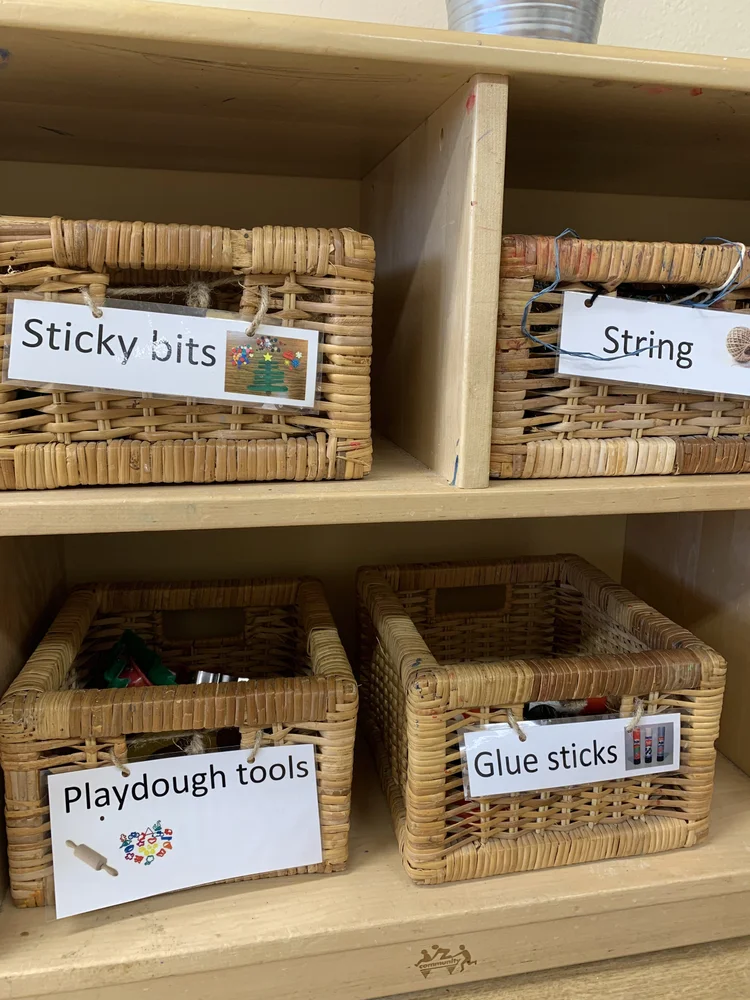
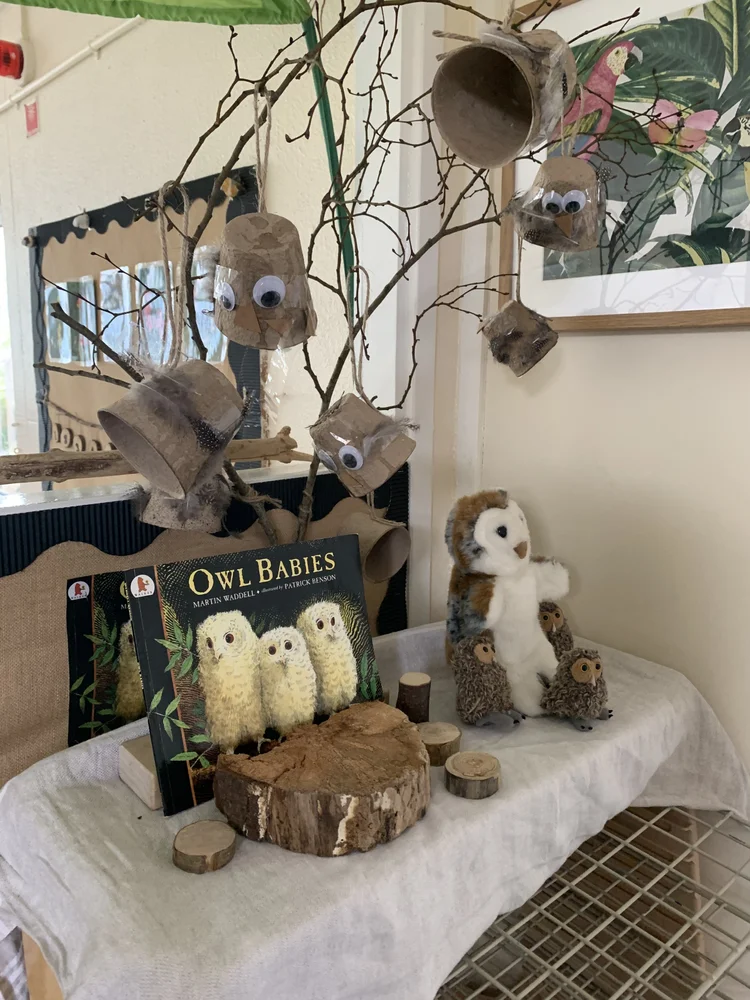
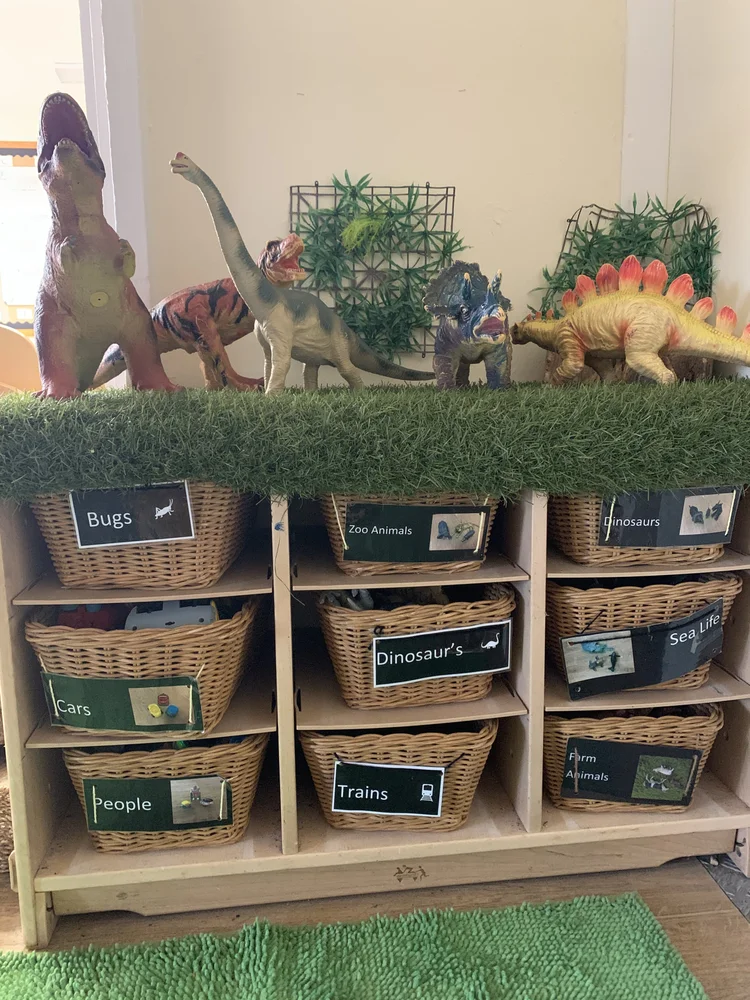
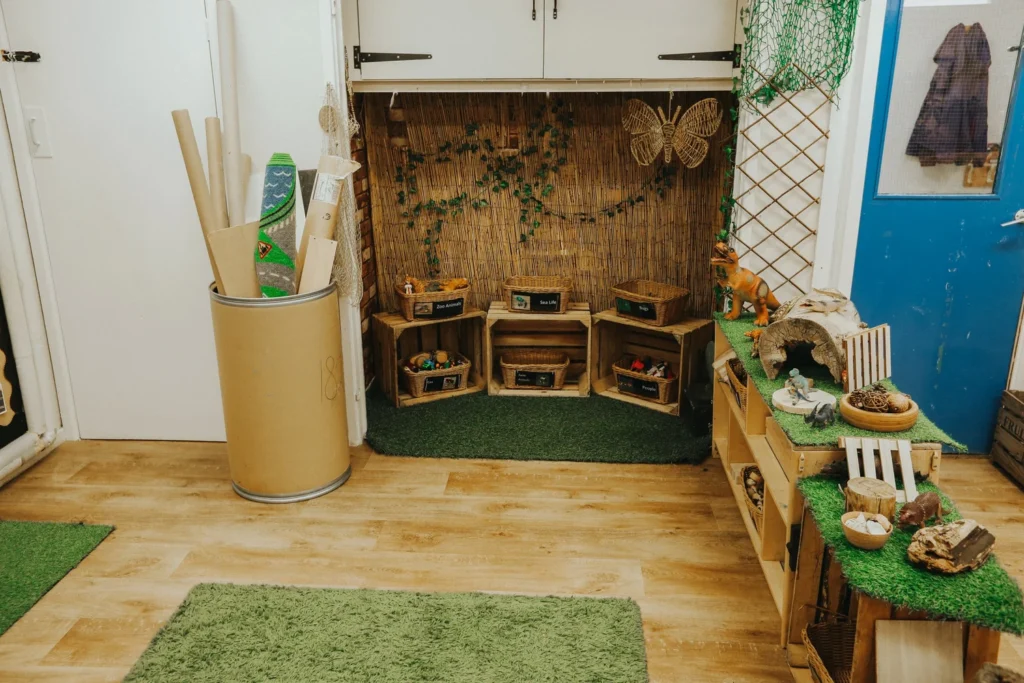
We ensure there are areas that provide access to the seven areas of learning (link to learning page) in all of our rooms, so that although each room is unique and reflects the character of the children and staff in that room, there is still consistency of provision across the whole centre, for babies of 6 months up to pre-school age children
As a staff team we are good at adapting resources and responding to the children’s interests and our free flow approach enables children to take their interests from inside to outside and vice versa.
All three rooms have a calm sleep area where children feel safe and those who need naps are able to take them.

All children are eligible for free nursery places the term after their 3rd birthday, either September, January or April.
All children have an entitlement to free early education of either 15 hours term time only or 12 hours a week all year round. Children whose parents work are entitled to 30 hours a term time only or 24 hours a week all year round.
Some children are eligible for a free nursery place the term after their 2nd birthday if their parents are claiming certain benefits. To find out if you are eligible and to apply for a place please click here.
We provide sessions that can be paid for if parents are working. The Childcare Choices website is a useful source of information if parents are looking for support with childcare costs. Childcare Choices brings together all of the Governments childcare offers in one place so it makes information easy to find.
At Southmead Children’s Centre we aim to support all children:
We use the Early Years Foundation Stage which sets the standards for the learning, development and care of children from birth to 5 years old.
The Early Years Foundation Stage Framework supports an integrated approach to early learning and care. It gives all professionals a set of common principles and commitments to deliver quality early education and childcare experiences to all children.


There are four guiding principles that should shape practice in early years:
There are seven areas of learning and development that must shape educational programmes in early years settings. All areas of learning and development are important and inter-connected. Three areas are particularly crucial for igniting children’s curiosity and enthusiasm for learning and for building their capacity to learn, form relationships and thrive.
These three prime areas are:
Early Years Settings must also support children in four specific areas, through which the three prime areas are strengthened and applied
The specific areas are:
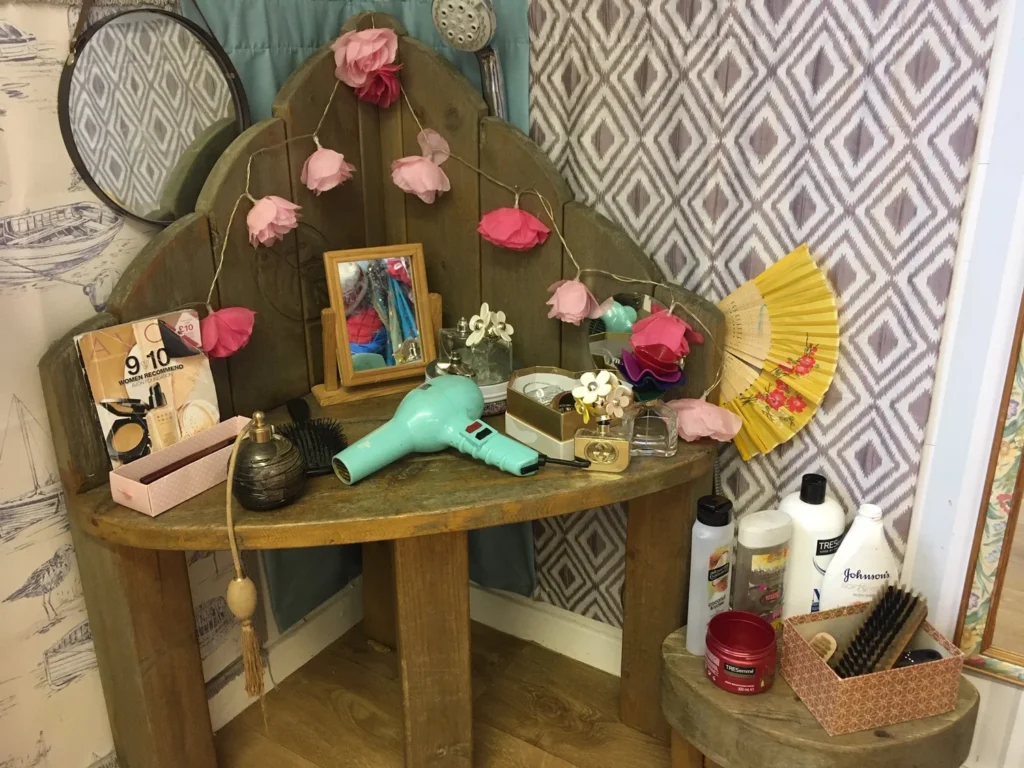
Snowdrops is a room next door and interlinked with Orchid Room, the 2 year old provision. We provide places for babies from 6 months to 2 years of age.
The staff ratio is one practitioner to three children.
We provide a safe and homely environment for our babies, with a dedicated area within the room and a separate sleep space.
All children have a key person who is responsible for ensuring that children’s individual routines and needs are met and who work closely with parents and carers, ensuring warm and trusting relationships are established.
All activities are carefully planned to follow children’s interests and extend their learning. This planning is shared with you and there are regular opportunities to talk about how your baby is settling and progressing whilst they are with us.
As Snowdrops Room is aligned with Orchid Room the children have daily opportunities to play and explore outside and mix with older children. This flexible approach enables children to prepare for the transition to Orchid Room and the open door sessions supports this.
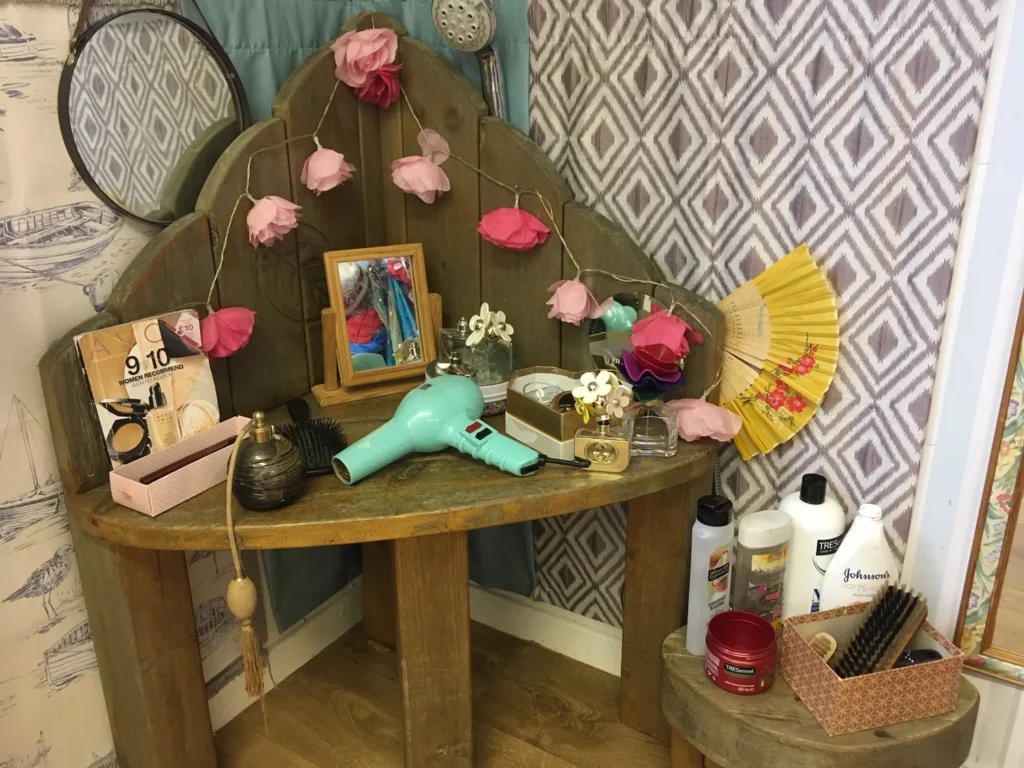
In Orchid Room we have places for up to 16 children, these are a mix of fee paying places and those children who are eligible at 2 to access their free early education entitlement.
In this room we have one practitioner working with up to four children, therefore the adult to child ratio is 1:4 at all times.
We have a safe and stimulating environment with access to the outdoors, in which we encourage the children to explore and experience new things, enabling them to grow in confidence and independence.
All children are allocated a key person who will support them throughout their time in Orchid, however the staff team work together to plan from the children’s individual and group interests and provide opportunities to extend their learning.
All children have an individual Learning Journal and there will be plenty of opportunities to discuss your child’s settling in and progress with their key worker during the time they are with us.
We work hard to develop trusting and rewarding relationships with all our children and their families.
Children usually move up into Foxglove the term after their third birthday.
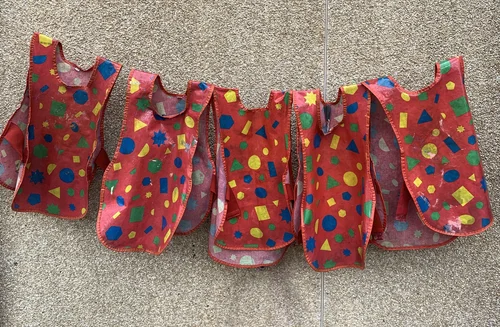
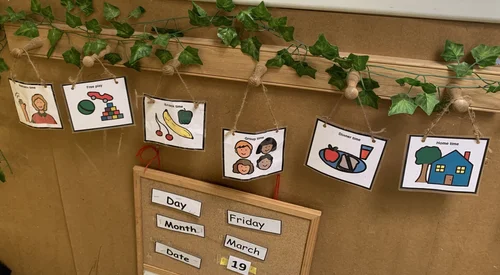
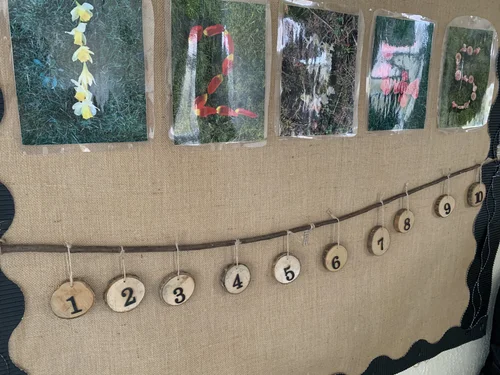
In Foxglove Room we have places for up to 24 children, these are a mix of fee paying places and those children who are eligible to access their free early education entitlement including those children eligible for 30 hours a week.
Foxglove Room provides high quality learning and care for children aged 3-4 years old in their pre-school year. We have one practitioner working with up to eight children, therefore the adult to child ratio is 1:8 at all times.
We have a safe and stimulating environment with access to the outdoors, in which we encourage the children to explore and experience new things, enabling them to grow in confidence and independence. Outdoor learning is highly valued and available at all times during the day.
All children are allocated a key person who will support them throughout their time in Foxglove, however the staff team work together to observe children closely, finding out what interests and motivates them. They then plan dynamic learning opportunities from the children’s individual and group interests to extend and develop their learning.
The sessions in Foxglove are developed around a daily routine, which includes opportunities for the children to work in a small group, plan their own learning, make independent choices about what they want to explore, review their learning, experience story and songs/rhymes.
All children have an individual Learning Journal and there will be plenty of opportunities to discuss your child’s progress with their key worker during the time they are with us.
We work hard to develop trusting and rewarding relationships with all our children and their families.
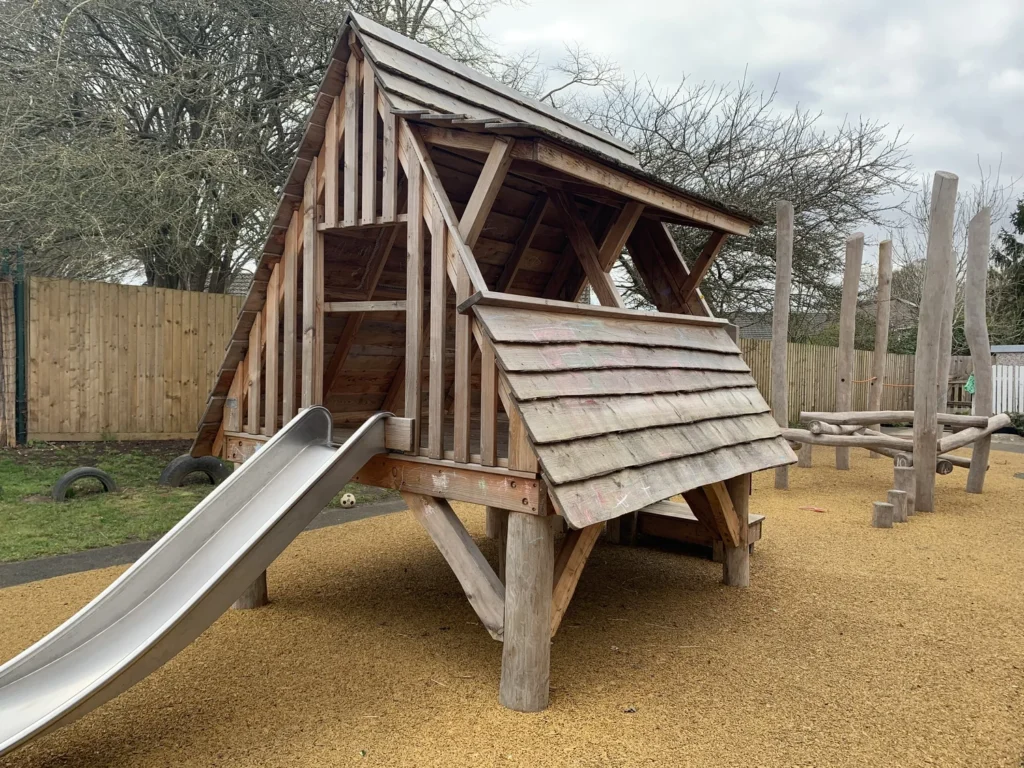
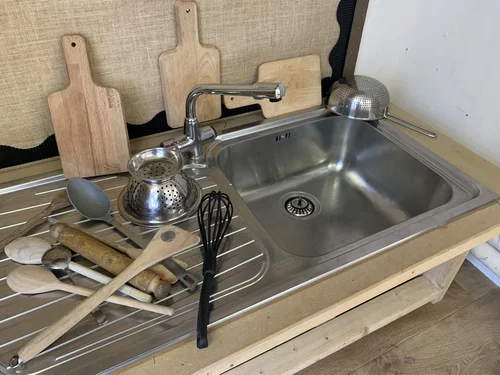
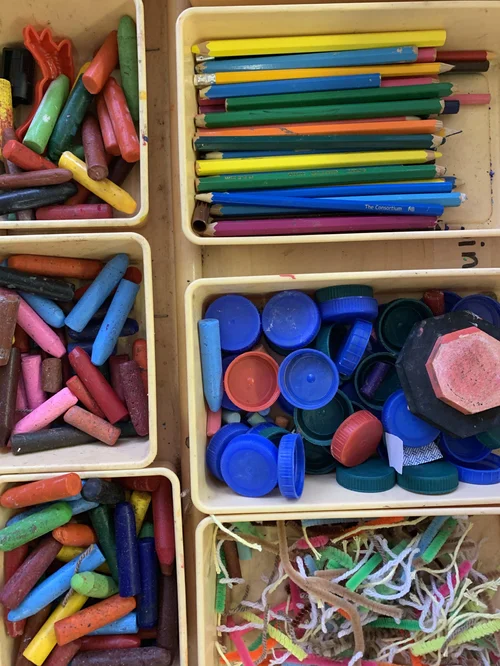
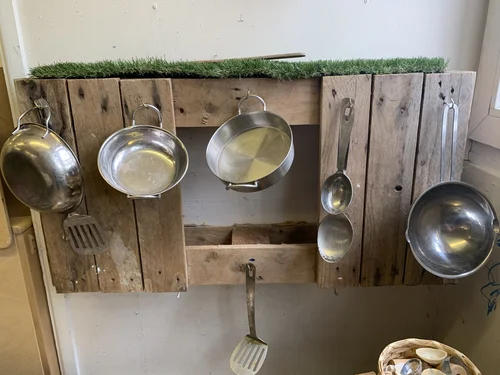
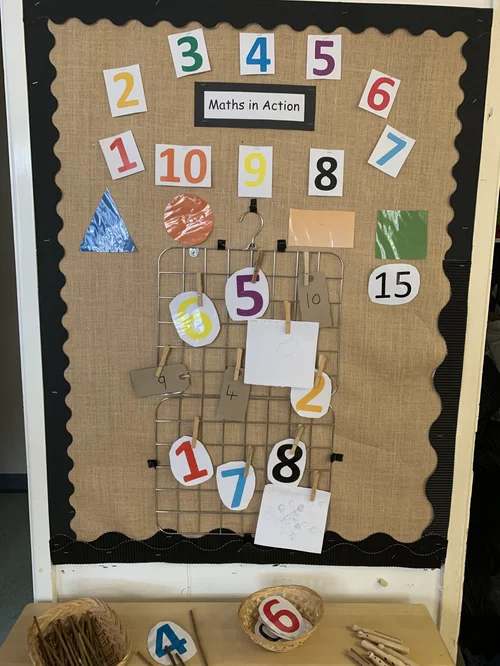
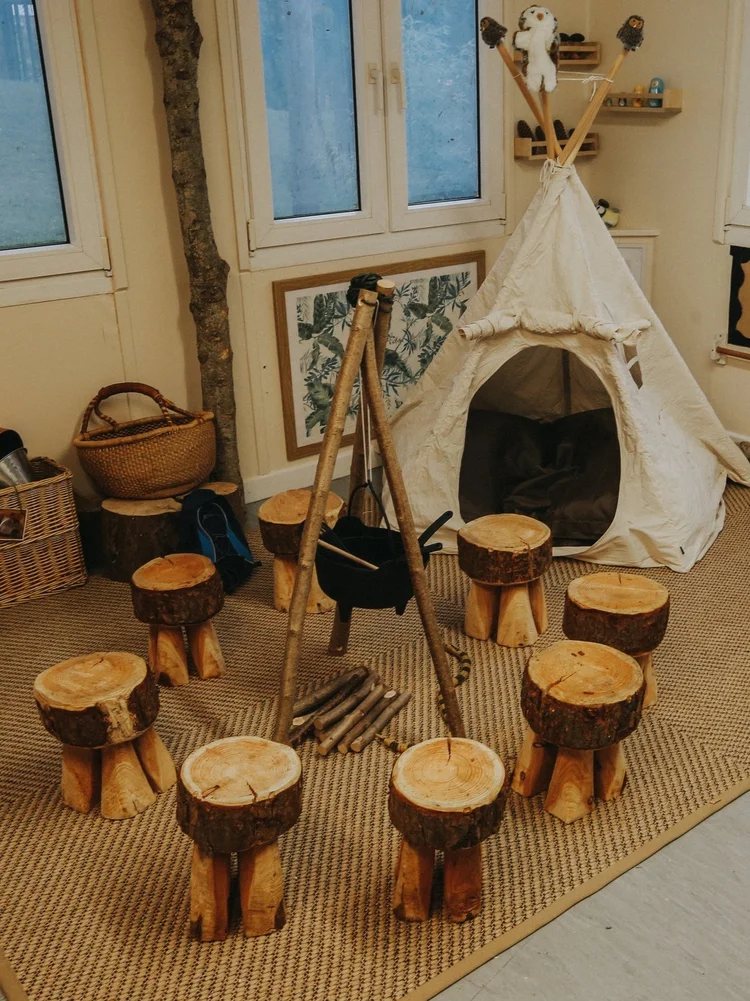
Early Years Forest School at Southmead Children’s Centre.
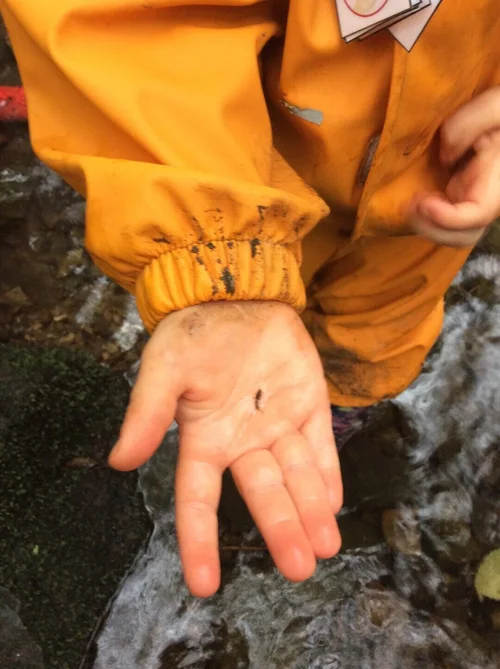
The large on-site outdoor area and nearby public woods provide your child with the starting point for endless exploration of their imaginations, creative skills and physical capabilities. Kindlings aims to develop children’s skills in working together, self-esteem and confidence, and practical skills which help to prepare children for school. We make learning fun, practical and exciting so that children develop a positive connection with learning.
Children can take part in an endless variety of activities, including:
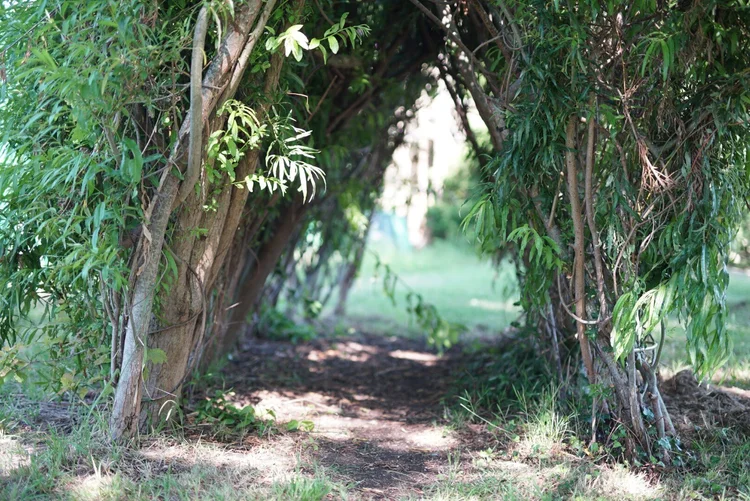
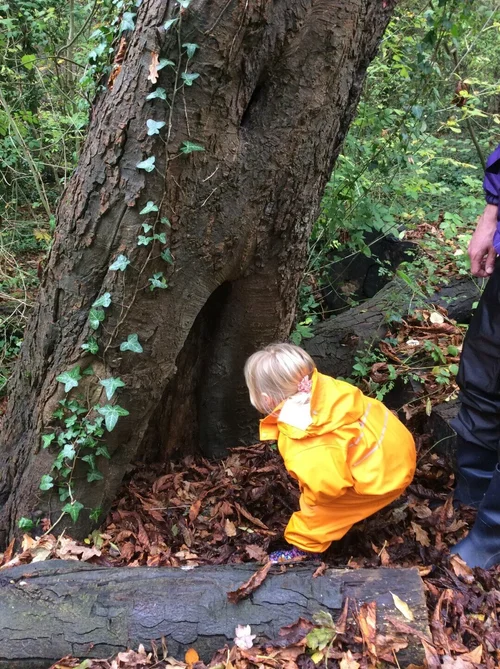
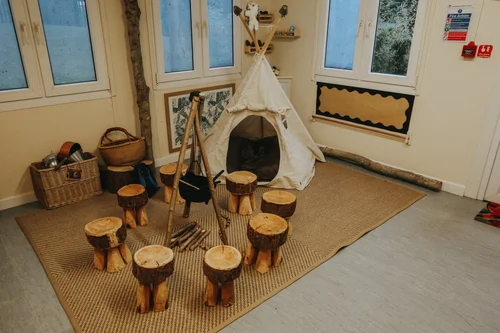
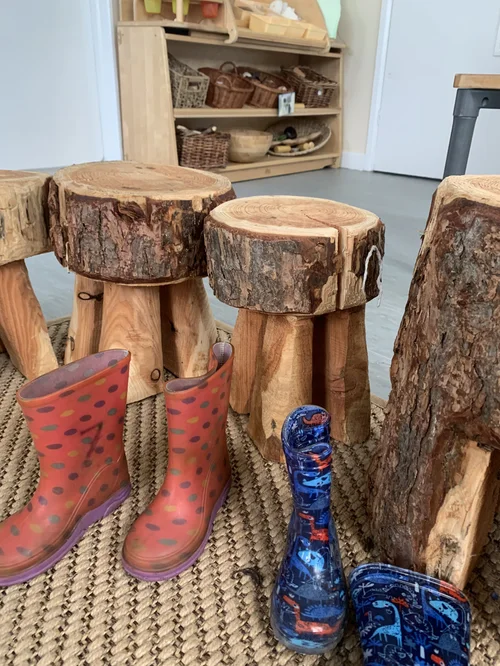
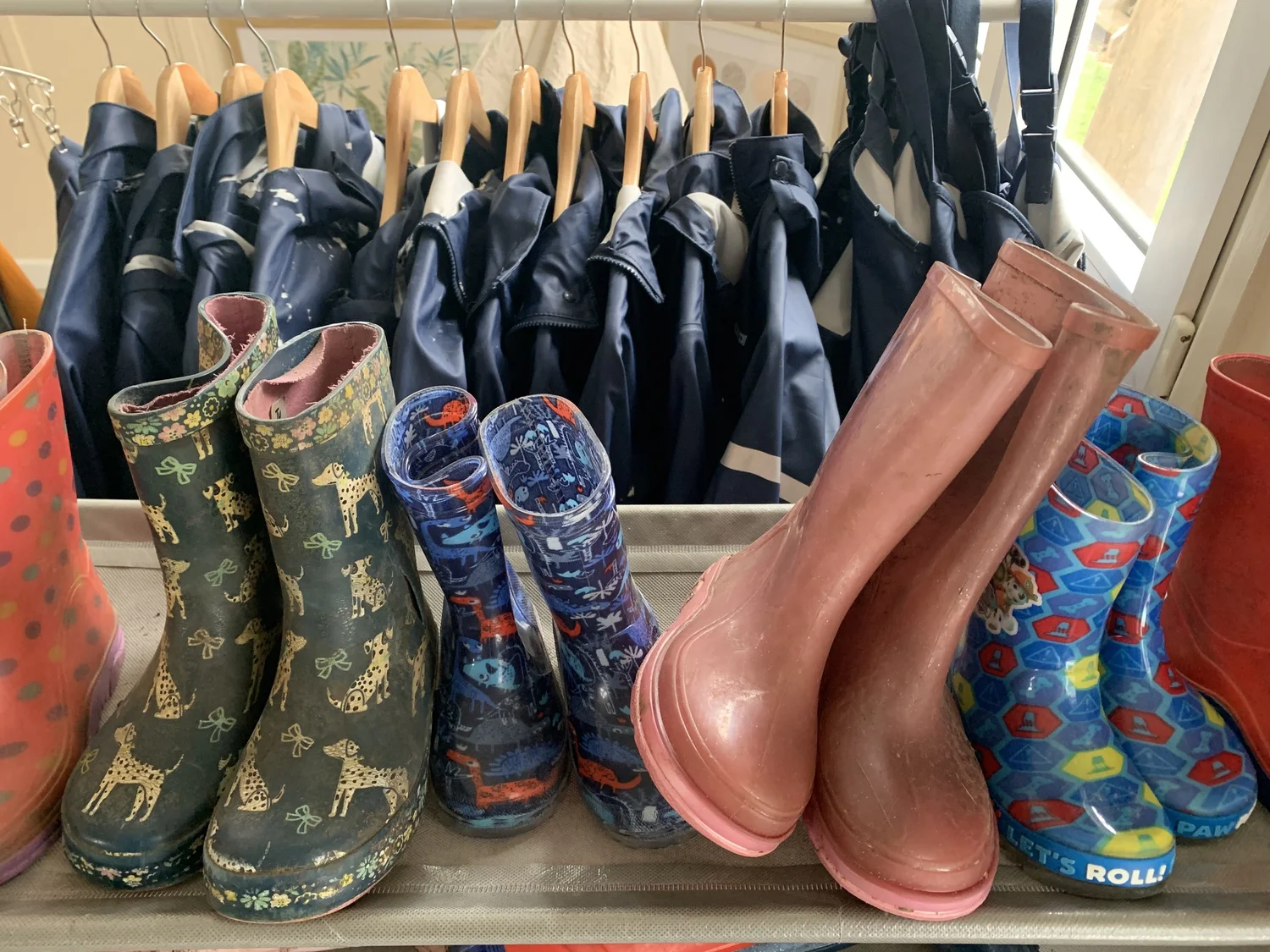
Forest school takes place outside whatever the weather and the right clothing makes this safe and comfortable all year round and we carefully monitor children’s needs to ensure that they are getting the most out of their outdoor sessions. We have designed a Forest School classroom that complements the activities offered outside, providing indoor nature-based play and a place to change in the warm.
Kindlings’ staff are trained in Forest School Leadership and Early Years Education and Care and can offer children opportunities to promote healthy development, foster a curiosity about nature and the environment, and instil a love of learning.
Children are able to use their free entitlement hours to attend Kindlings.
What are the benefits of Forest School
Forest School allows for flexible approaches to learning and play and can accommodate a range of learning styles.
Research related to learning outside in a natural environment highlights the positive impact this type of activity can have on young children. Studies have found that children who play in natural environments undertake more diverse, creative and imaginative play, forming an important part of a child’s development. One study, reporting on children aged 3-5, noted that children learn to work collaboratively, socially construct knowledge, and develop social skills, while cooperating, helping, negotiating, and talking with others.
Kindlings’ staff are trained in Forest School Leadership and Early Years Education and Care and can offer children opportunities to promote healthy development, foster a curiosity about nature and the environment, and instil a love of learning.
Children are able to use their free entitlement hours to attend Kindlings.
As part of the Children’s and Families Bill (2014) and the Special Educational Needs and Disability Code of Practice: 0 to 25 years (2015) all educational settings are required to make available their Local SEND Offer to families which details how they support children with special educational needs and/or disabilities.
Bristol’s SEND Local Offer, online information and support can be found here.
We are an inclusive setting and we aim to support all children to enable them to make the best possible progress and achieve well. To accomplish this aim we offer a broad and balanced curriculum with high quality provision in the early education and childcare provision in our Children’s Centre.
We provide effective support for all children and families including those with additional needs. We make sure that additional needs are identified early and offer a range of provision to meet individual needs.
We have staff that have additional training in specific areas including supporting speech, language and communication development, including those children with a diagnosis of ASD.
We work with a range of professionals to make sure that all children receive the support they need to develop. Children and families are able to access equitable services and provision from our inclusive setting. We offer a high quality learning environment and resources to give children the very best start in life alongside a wide range of services and family activities.
The first point of contact would be your child’s Key Person and you can also talk to the SENCO at the Centre. Please approach them at any time if you have any concerns about your child’s development.
Every child in the centre is provided with:
Strategies to support children with SEND may include:
We recognise that ‘moving on’ can be difficult for a child with SEND. We also recognise the anxieties for families and we take steps to ensure that any transition is as smooth as possible.
When your child is moving to another setting or to school:-
Southmead Children’s Centre
Doncaster Road, Southmead,
Bristol BS10 5PW
0117 377 2343
© 2026 Created with Southmead Children’s Centre